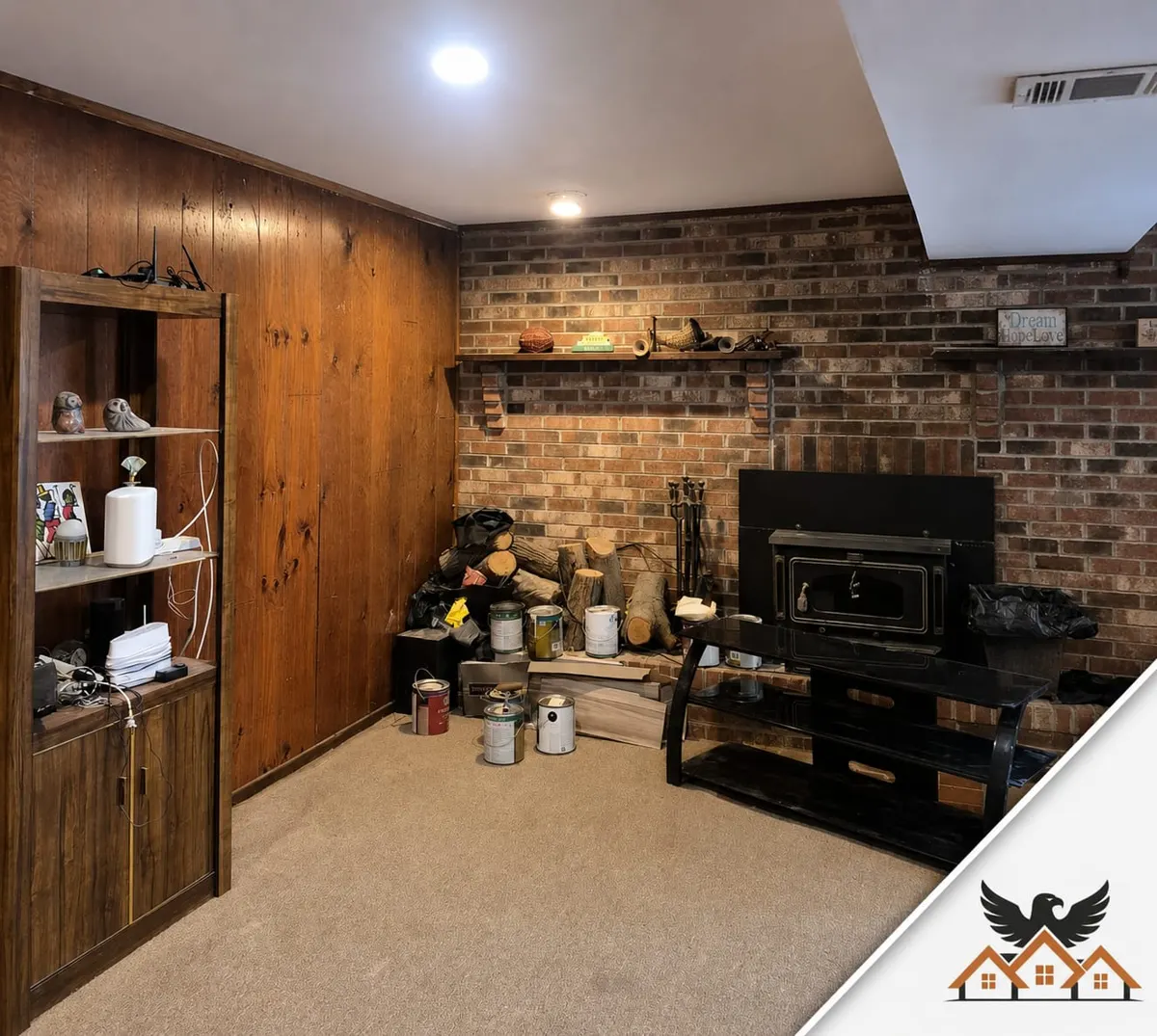
Wood stove sweeping, inspection and gasket care for Philadelphia-area homes — flue, connector pipe and stove serviced as one system.
A wood stove is the hardest-working appliance in the house, and it deposits creosote faster than any open fireplace — especially the modern high-efficiency stoves whose cooler flue temperatures condense glaze on the liner walls. Stove service is also different work: the connector pipe, the stove body, the baffle and the door gaskets all need attention that a fireplace sweep never touches.
We service freestanding stoves, fireplace inserts and add-on wood furnaces across the Philadelphia area, treating stove, pipe and flue as one system: the flue is swept with brushes matched to your liner, the connector pipe is taken down and cleaned or its condition reported, baffles and firebrick are checked, door gaskets are tested with the dollar-bill check, and the whole installation — clearances, hearth protection, chimney height — gets a working once-over. You get the creosote assessment in plain terms, including whether your burning habits or wood supply are creating it faster than they should.
Tell us about your chimney or gas fireplace — we confirm every request by phone. Prefer to talk? Call (855) 424-6217.
An efficient stove extracts so much heat from the fire that the exhaust reaching the flue can be barely above condensation temperature — and creosote condenses on any surface below about 250°F. Burn unseasoned wood, or run the stove choked-down overnight, and the flue becomes a glaze factory: a hard, shiny, tar-like coating that brushes barely scratch and that ignites fiercely. If your flue has glazed, we will tell you its stage and the right removal method — mechanical sweeping handles most; hardened third-degree glaze is a different conversation, and it is one of the cases where a camera inspection earns its keep.
A stove with a leaking door gasket is a stove you cannot control: air sneaks in around the door, the fire runs hotter than the air control intends, glass blackens in a day, and burn times shrink. The test takes ten seconds — close the door on a dollar bill at several points around the frame; if it slides out easily, the seal is gone. Gaskets are inexpensive rope and cement, replaced in the same visit in most cases, and the difference in how the stove behaves that night is not subtle. We check them on every stove service, along with the window gasket and ash-pan seal on models that have them.
This work is searched for by many names. Every service below is performed as part of — or booked through — this one:
Every year is the safe rule for a stove that heats regularly — and sooner if you burn more than a few cords, burn softwood or unseasoned wood, or run the stove low and slow. We will tell you what your flue says about your interval after the first sweep.
We take the connector pipe down where the installation allows — it is where creosote bridges and blockages hide, and it cannot be properly cleaned in place. If your pipe cannot come down safely, we will explain the alternative and its limits.
We sweep tile flues as well as liners. If your stove vents into an unlined or oversized flue, expect an honest conversation: oversized flues cool the exhaust, grow creosote fast and draft poorly, and a correctly sized liner is usually the real fix.
Usually it is a seal or a habit: a leaking door gasket, wet wood, or running the stove choked down. All three are diagnosed during a service visit — and two of the three are fixed the same day.
Yes — installation, including the liner and venting work, is covered on our fireplace installation page. This service page covers the ongoing care of stoves already in place.
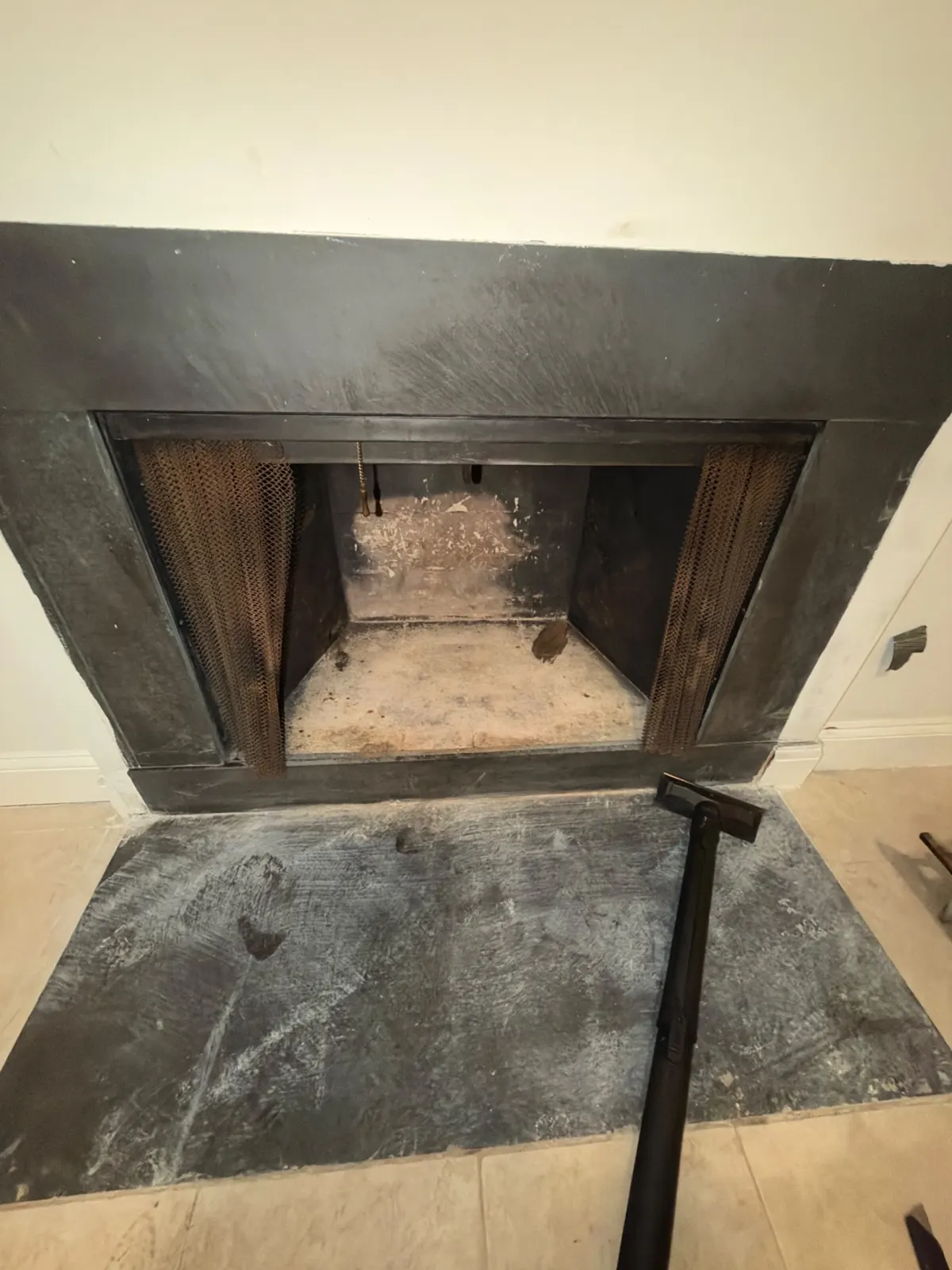
A full sweep of the flue, firebox and smoke chamber — creosote gone, draft restored, and a written condition report before we leave.
Learn more →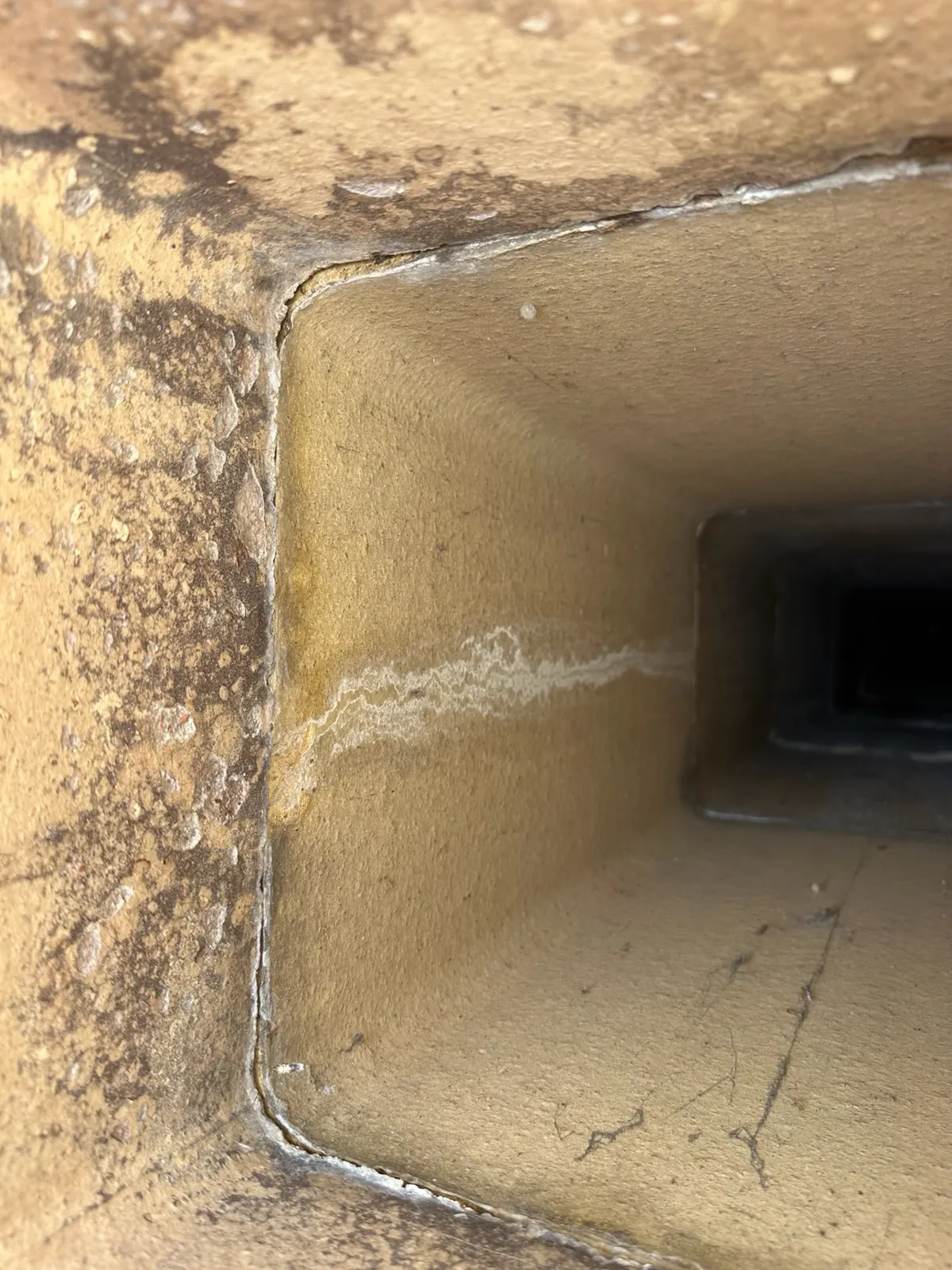
Level 1 and Level 2 chimney inspections with camera scanning, a photo report and straight answers — for annual checks, home sales and after a chimney fire.
Learn more →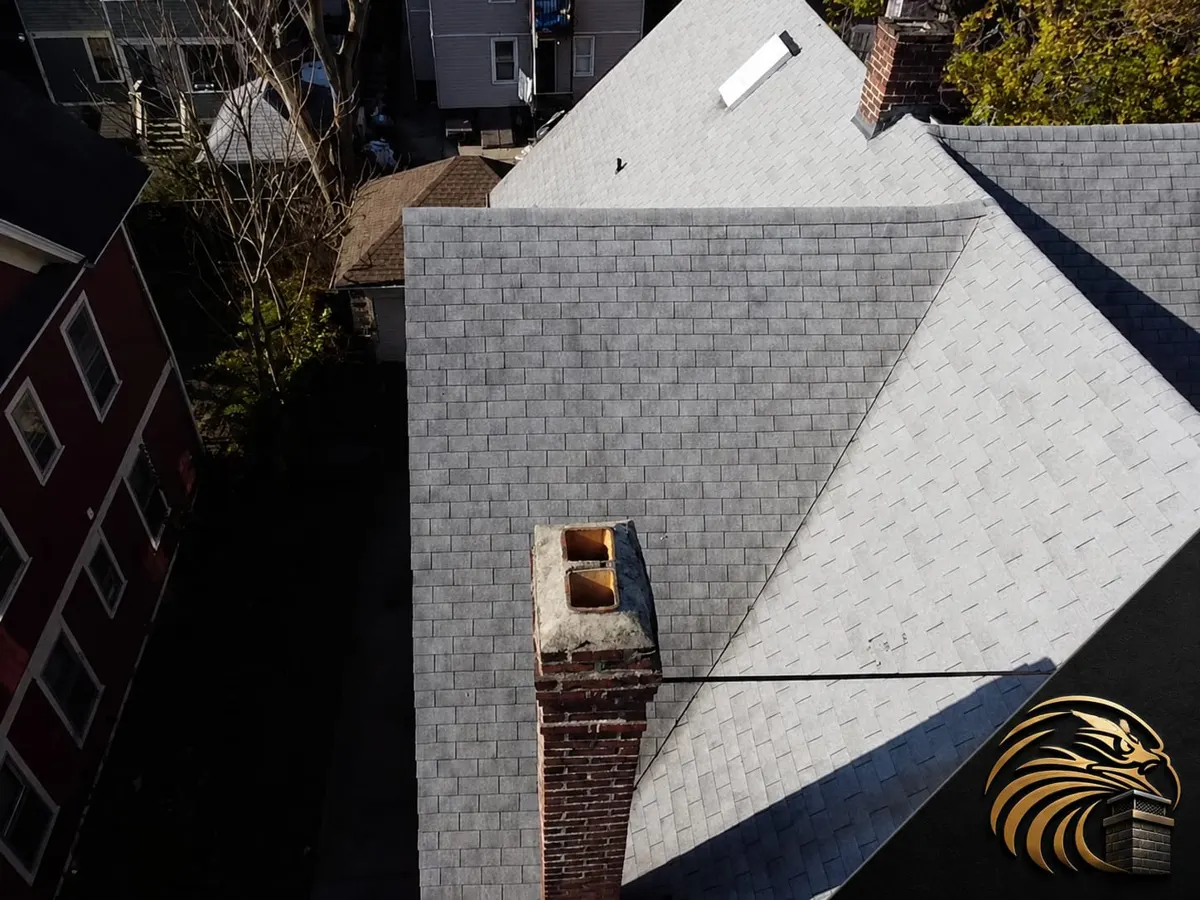
The annual inspection for chimneys in regular service: every accessible part checked, condition documented, safety confirmed for another season.
Learn more →
Camera inspection of the entire flue, plus attics, crawl spaces and concealed areas — the inspection for home sales, chimney fires and appliance changes.
Learn more →