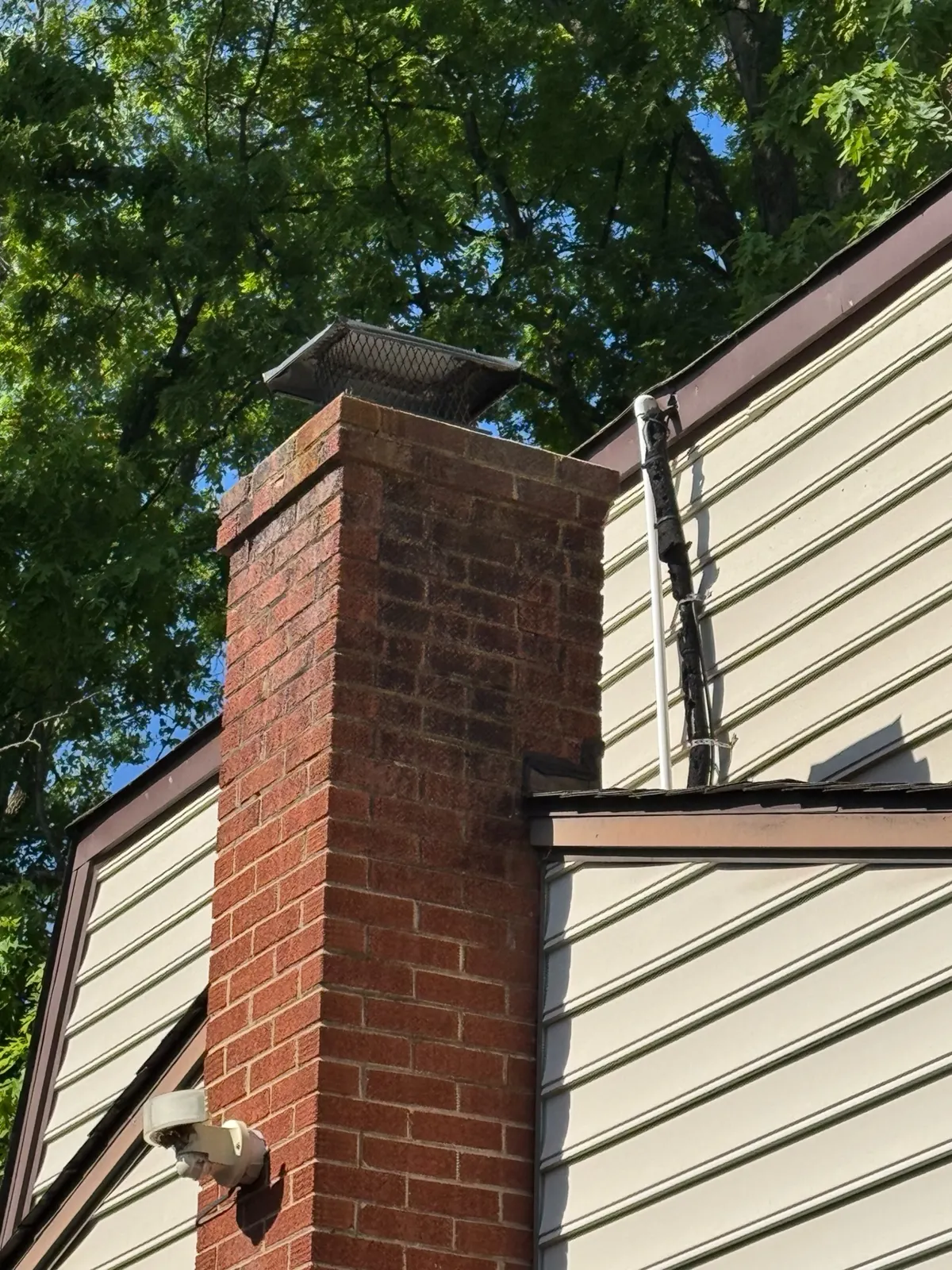
Humane removal of birds, squirrels and raccoons from Philadelphia-area chimneys — and the cap that keeps them out for good.
An uncapped flue looks like a hollow tree to half the wildlife in the Delaware Valley: raccoons raise litters in them, squirrels fall in and cannot climb the smooth tile, and chimney swifts — protected, and partial to exactly your chimney — nest on the flue wall every summer. However it arrived, an animal in the chimney is a blocked flue, a noise problem and, if a fire is lit under it, a tragedy and a smell that lasts for months.
We remove animals from chimneys the humane way and, more importantly, we close the door behind them. Removal itself is handled live where possible — one-way exits and reunite strategies for mothers with young — or coordinated with licensed wildlife control partners when the situation calls for it; what we never do is light a fire or seal an animal in. Then the permanent fix is ours: a correctly sized stainless cap, screen or top-sealing damper fitted the same visit wherever possible, so the next raccoon in the neighborhood picks a different chimney.
Tell us about your chimney or gas fireplace — we confirm every request by phone. Prefer to talk? Call (855) 424-6217.
If the "animal" sounds like chattering birds through the summer and the flue holds a nest glued to its wall, you likely have chimney swifts — migratory birds protected under federal law, which means the nest cannot be removed while occupied, full stop. The good news: swifts are harmless, eat enormous numbers of insects, and leave in the fall. Our role is to confirm the identification, keep you legal, and schedule the cap installation for the week after they migrate — so next spring’s swifts choose a chimney that is not yours. Anyone who offers to remove an active swift nest immediately is offering you a federal problem.
A mother raccoon in a flue in spring almost always has kits with her, and trapping her alone orphans them inside your chimney. The professional approach is a one-way door at the top: she leaves at night to feed, cannot get back in, and — given an alternative den box nearby in the short term — relocates the kits herself within days. Once the flue is confirmed empty, we inspect, sweep out the nesting debris (a genuine fire load), and cap it. Squirrels trapped in a flue or fallen into a fireplace are usually a same-day rescue through the damper or a rope drop — call before opening the damper yourself.
This work is searched for by many names. Every service below is performed as part of — or booked through — this one:
Never. It does not drive the animal out — the exit is through the smoke — and it can kill the animal in the flue, block the chimney completely and fill the house with smoke and worse. Call first; most situations are resolved without drama.
No — sealing an animal in is inhumane, illegal for protected species, and guarantees a worse problem inside the flue within days. The entry is closed only after the chimney is confirmed empty.
It depends on the animal and the situation — a squirrel rescue, a raccoon one-way-door program and a swift consultation are three different jobs. The inspection and identification come first, and the price for the path we recommend is given in writing before work proceeds. The cap that prevents a repeat is quoted at the same time.
Yes — a dead animal in the flue or smoke shelf is removed, the area is swept and the flue inspected before the fireplace returns to use. It is unpleasant work that we would rather do than have you attempt.
A stainless steel cap with a proper mesh gauge, sized to the flue and anchored correctly — fine enough to exclude animals and birds, open enough not to choke the draft. We size and fit it to your flue rather than strapping on a generic cover.
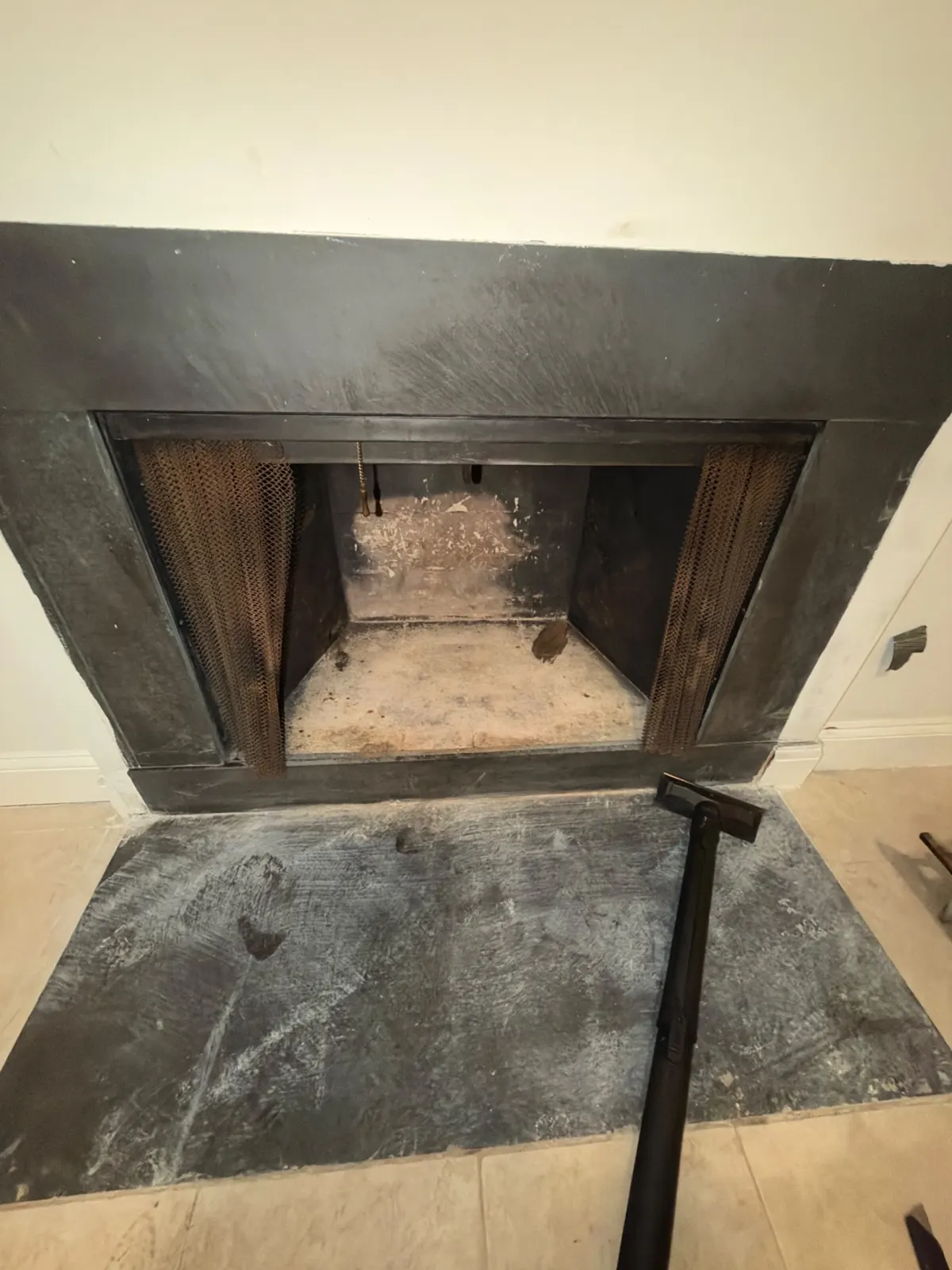
A full sweep of the flue, firebox and smoke chamber — creosote gone, draft restored, and a written condition report before we leave.
Learn more →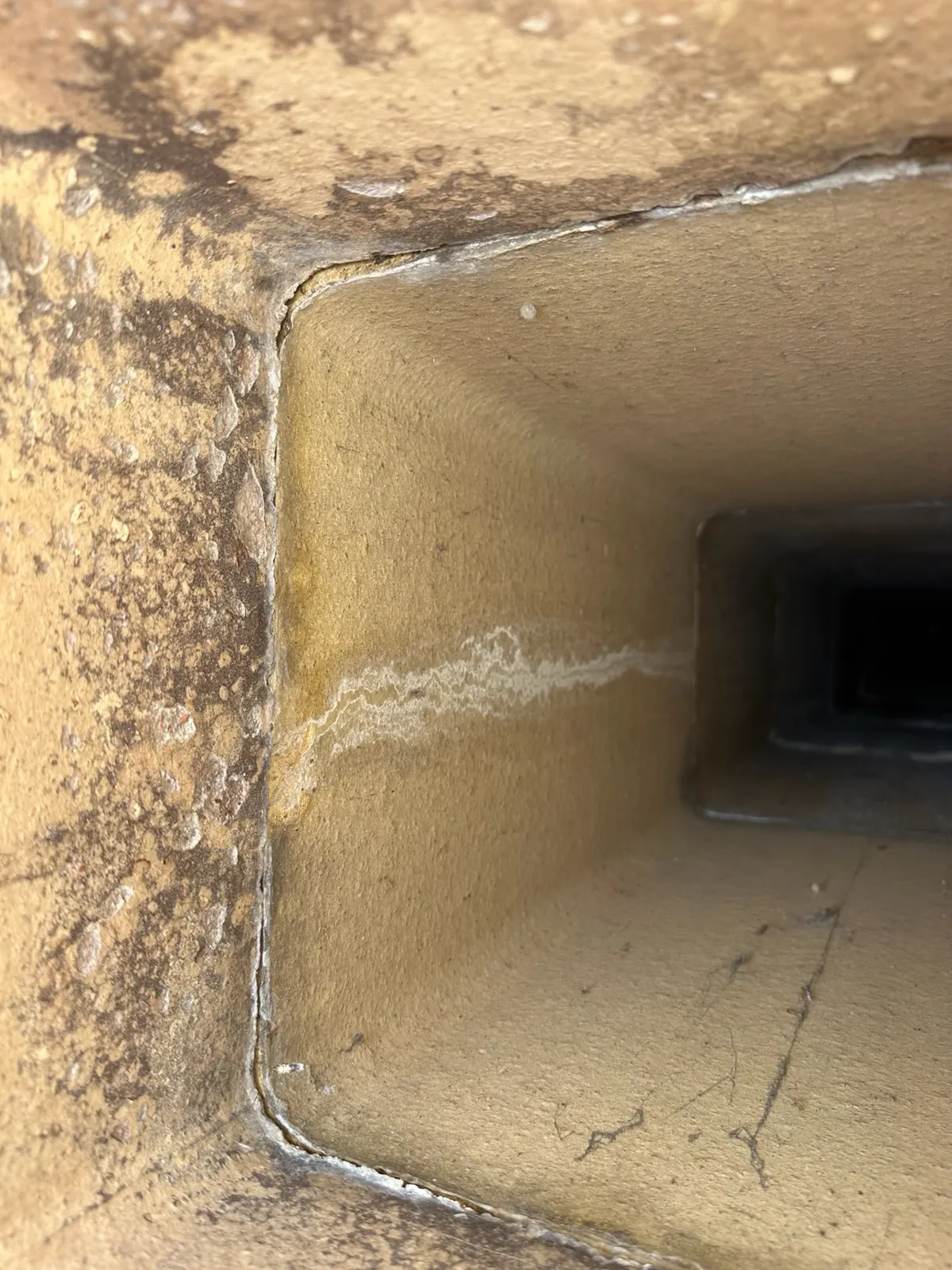
Level 1 and Level 2 chimney inspections with camera scanning, a photo report and straight answers — for annual checks, home sales and after a chimney fire.
Learn more →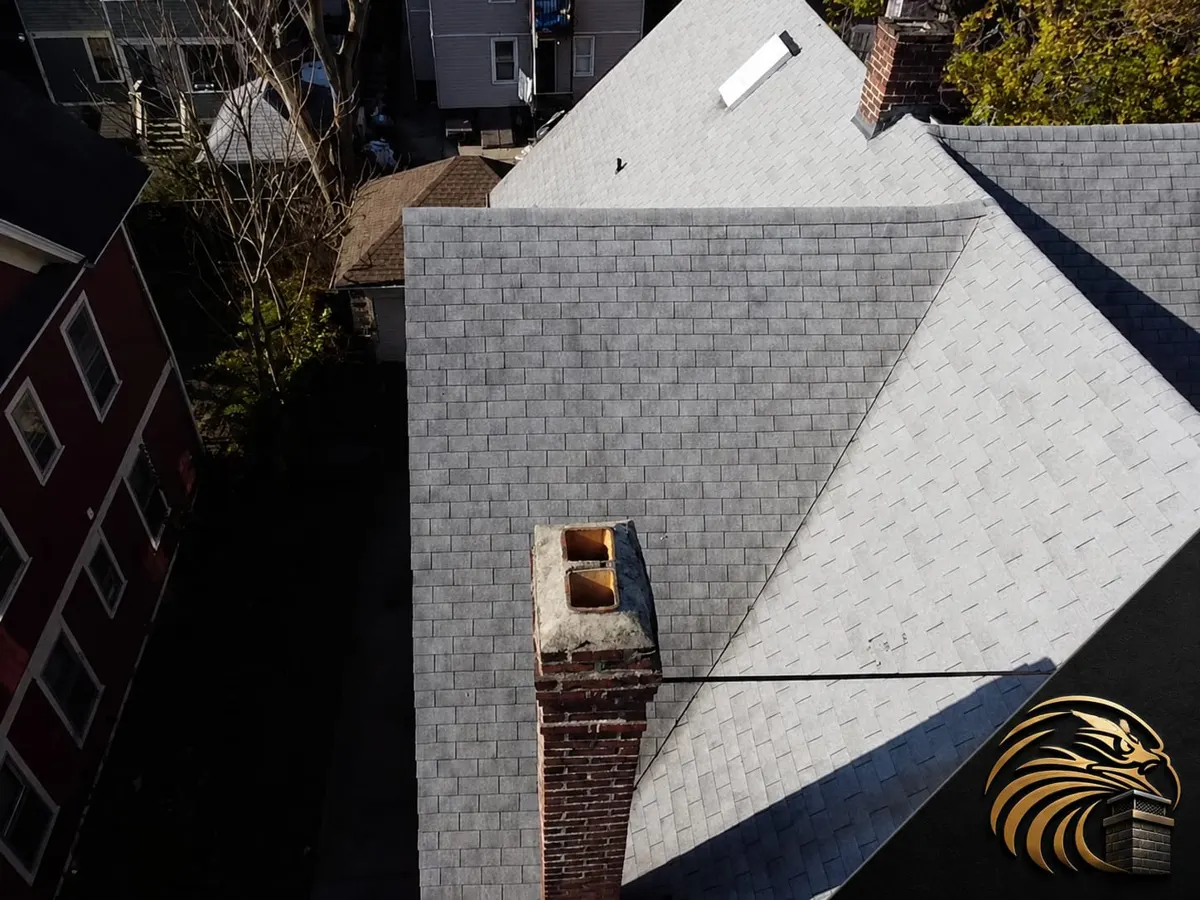
The annual inspection for chimneys in regular service: every accessible part checked, condition documented, safety confirmed for another season.
Learn more →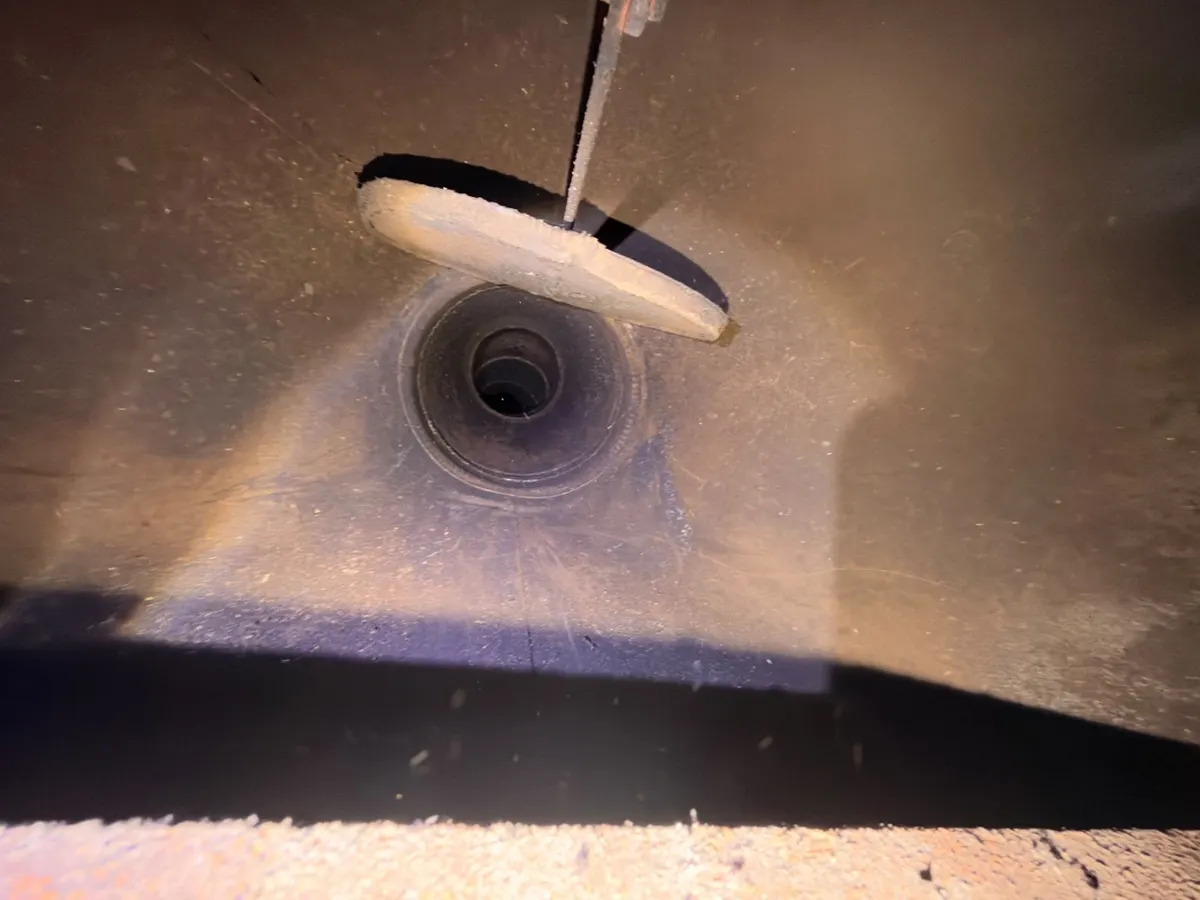
Camera inspection of the entire flue, plus attics, crawl spaces and concealed areas — the inspection for home sales, chimney fires and appliance changes.
Learn more →