Chimney flashing repair and replacement for Philadelphia-area homes — stop the leak where the chimney meets the roof, for good.
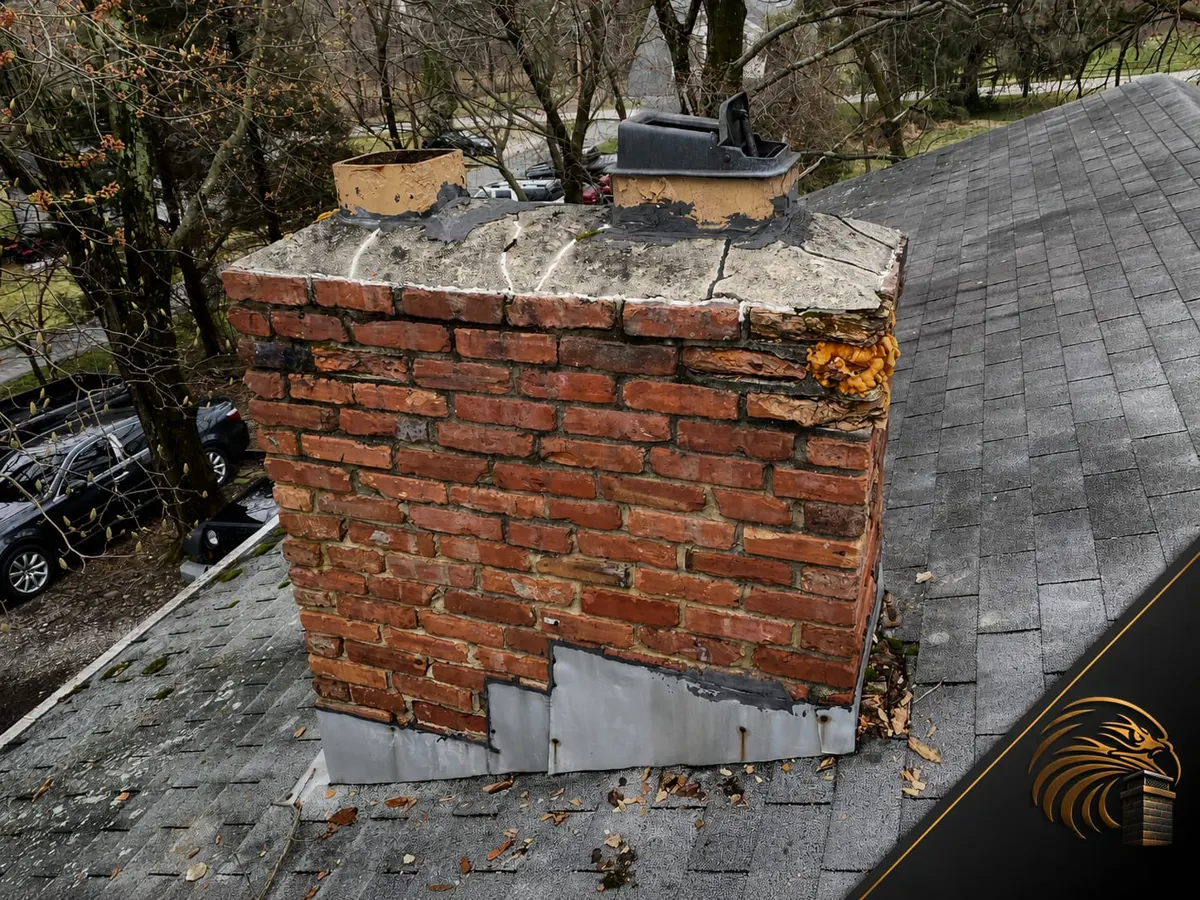
More chimney leaks come from the flashing than from the chimney itself. The metal work that seals the joint between chimney and roof — step flashing woven into the shingles, counterflashing cut into the mortar joints, the saddle on the uphill side — works in one of the harshest spots on the house, and across the Delaware Valley’s freeze-thaw winters it eventually fatigues, rusts or pulls loose. When it does, water shows up on ceilings and walls one or two rooms away from where it actually got in.
We repair and replace chimney flashing as chimney work, not as a roofing afterthought: the old metal is stripped, the joint is inspected, new step and counterflashing is installed in the right sequence, and the counterflashing is reglet-cut into the mortar joint and sealed — never just surface-mounted and caulked, which is the shortcut that fails in two winters. If the leak has been misdiagnosed before, our camera and water-test process finds the real entry point first, so you pay for the fix once.
Tell us about your chimney or gas fireplace — we confirm every request by phone. Prefer to talk? Call (855) 424-6217.
A tube of sealant over a failed joint is the most common chimney "repair" in the Philadelphia suburbs — and the shortest-lived. Caulk cannot bridge a joint that moves with every temperature swing, it traps water behind the metal it was meant to seal, and it hides the rust spreading underneath. Proper flashing is a mechanical system: layered metal that sheds water by overlap, anchored in the masonry joint. When we open a joint that has been caulked three times by three different roofers, the metal underneath is usually perforated — which is why we strip and show you, rather than add a fourth layer.
Water that enters at a cracked crown can travel down inside the chimney and appear at the roofline, looking exactly like a flashing leak; a roof leak two feet uphill can do the same. Before quoting, we check the crown, the wash, the mortar joints above the roofline and the shingles around the chimney, and we water-test in sequence — roof field first, then flashing, then crown — so the repair targets the entry point that is actually wet. The diagnosis is photographed either way, and if the problem turns out to be roofing rather than chimney work, we will tell you that plainly.
This work is searched for by many names. Every service below is performed as part of — or booked through — this one:
Flashing work is quoted exactly after inspection — the scope depends on chimney width, roof pitch and how much failed material has to come out. It is listed on our starting-prices page as a written-quote service: you get the firm figure in writing before any work begins.
Because the joint underneath has failed — caulk seals a surface, not a moving, rusting joint. Stripping the old metal and installing proper step and counterflashing is the repair that ends the cycle.
Yes — flashing is installed to work with your existing shingles, slate or metal roof, and the visible counterflashing can be finished in colors that sit quietly against the brick.
Where the chimney is wide enough to dam water and debris on its uphill side, yes — a cricket (saddle) is part of correct flashing work, and we will recommend it when the geometry calls for it.
Minor flashing sealing is often handled within masonry or crown work. Full flashing replacement is its own scoped job — but if we find it failing during another visit, you will get the photos and the quote the same day.
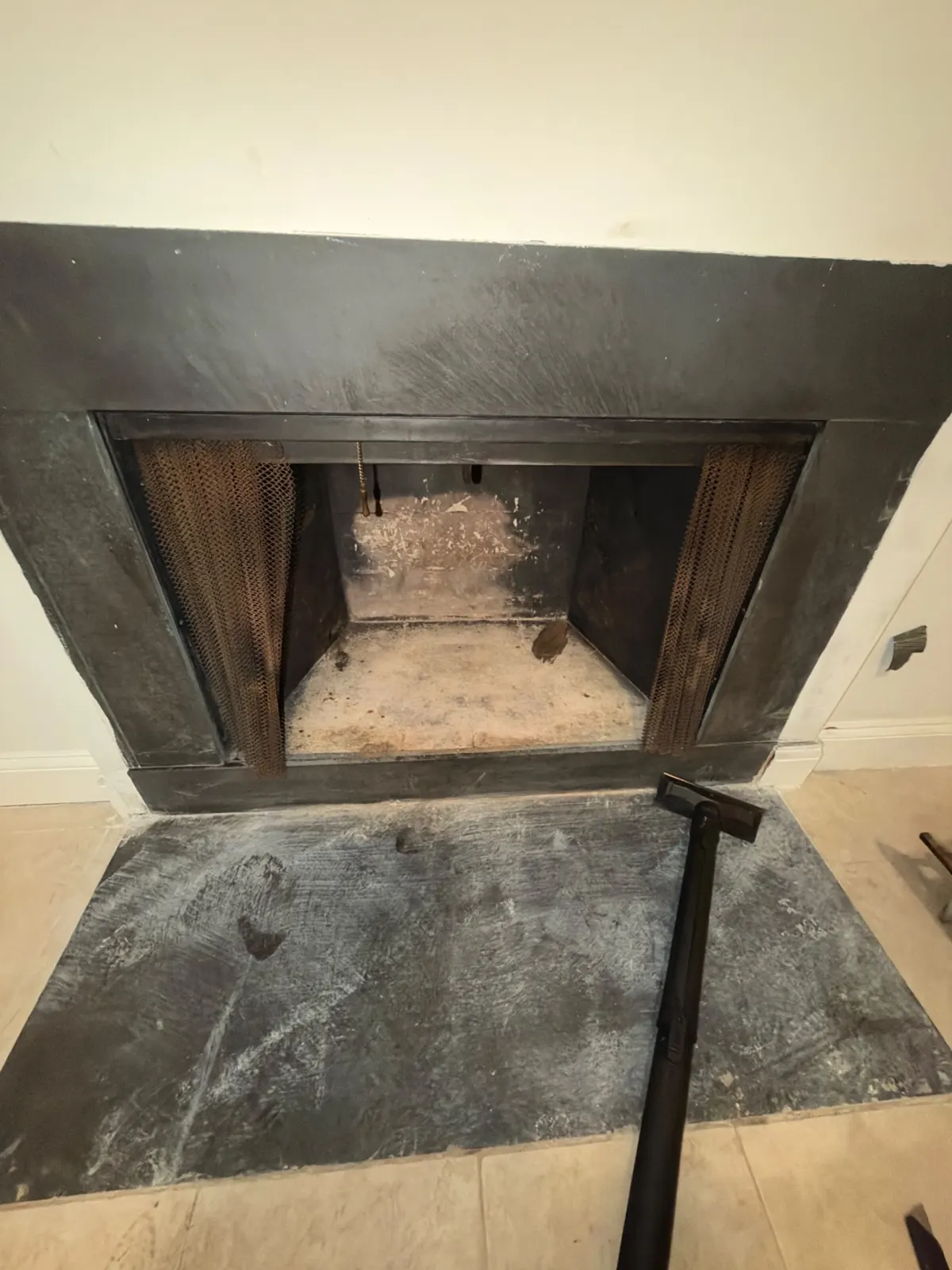
A full sweep of the flue, firebox and smoke chamber — creosote gone, draft restored, and a written condition report before we leave.
Learn more →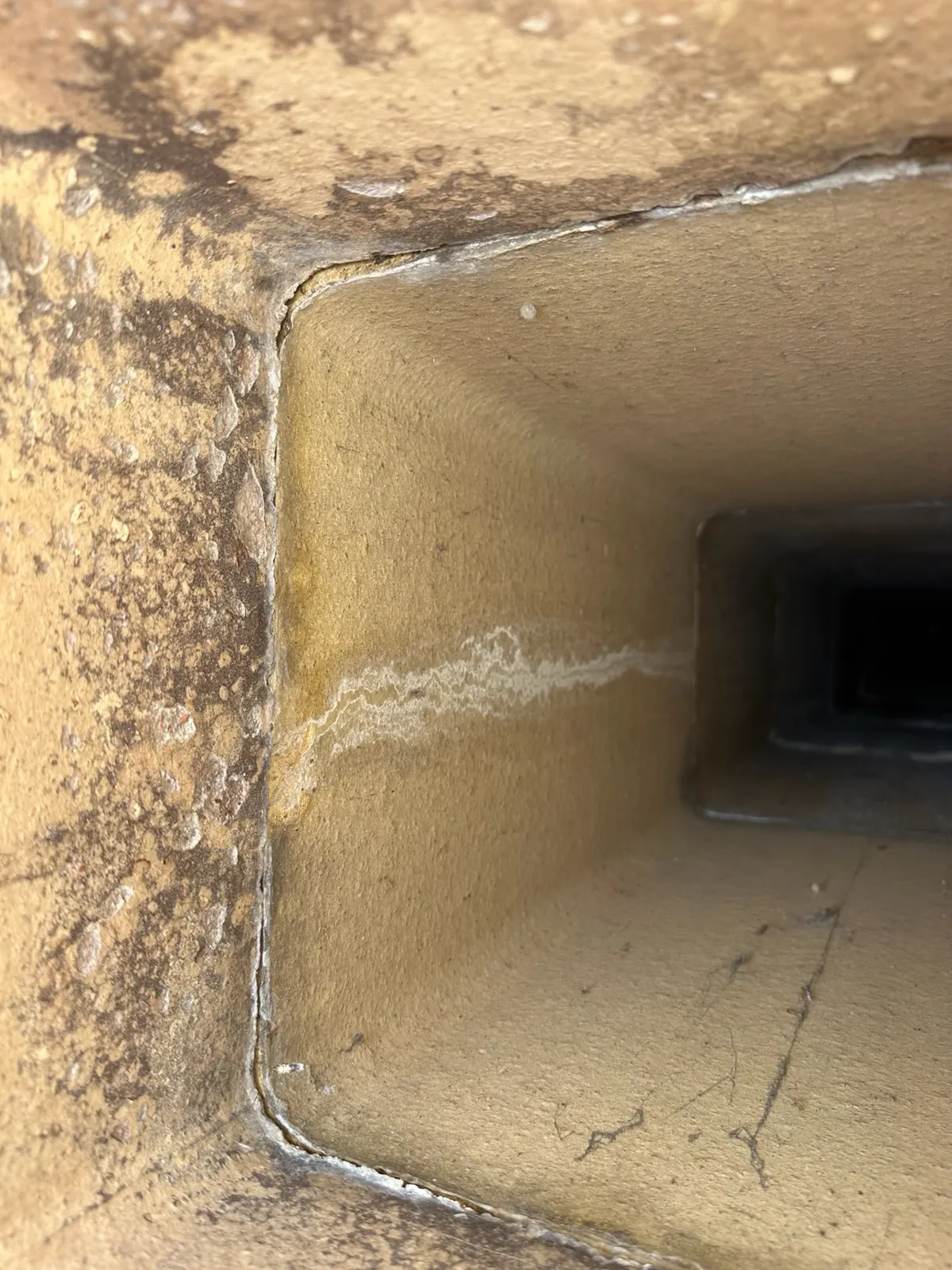
Level 1 and Level 2 chimney inspections with camera scanning, a photo report and straight answers — for annual checks, home sales and after a chimney fire.
Learn more →
The annual inspection for chimneys in regular service: every accessible part checked, condition documented, safety confirmed for another season.
Learn more →
Camera inspection of the entire flue, plus attics, crawl spaces and concealed areas — the inspection for home sales, chimney fires and appliance changes.
Learn more →