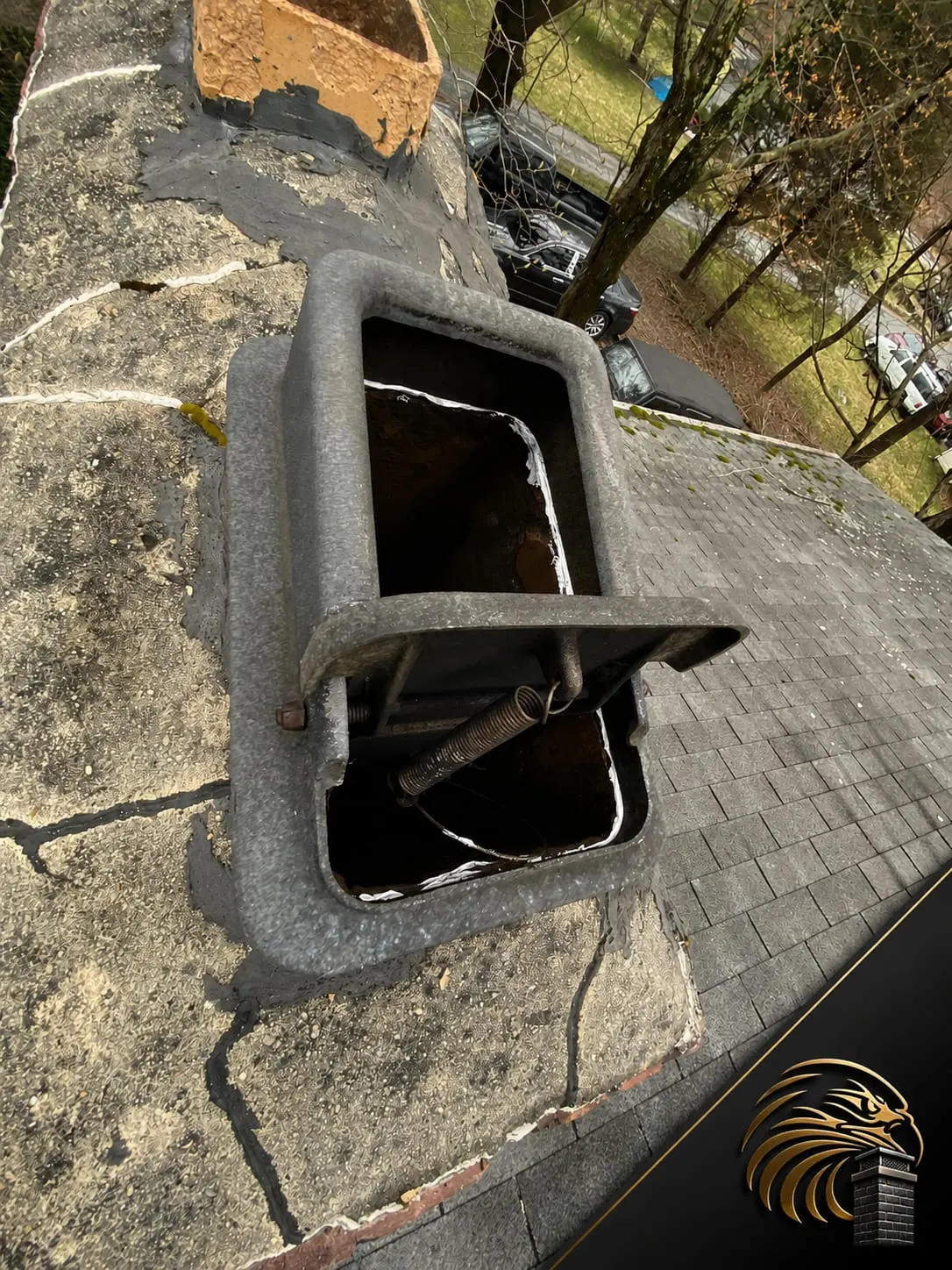
Throat and top-sealing damper repair and replacement for Philadelphia-area fireplaces — stop the draft, the smell and the heat loss.
The damper is the door between your living room and the sky, and in a lot of older Philadelphia-area homes that door no longer closes. Cast-iron throat dampers warp from decades of heat, rust at the frame, lose their plates entirely, or seize half-open — and a damper stuck open through a Pennsylvania winter is an open window that never closes: heated air pours out, cold air and chimney odor pour in, and rain and animals get a straight path down.
We repair throat dampers where the casting is sound — freeing seized linkages, refitting plates, replacing broken handles and cables — and we replace what cannot be saved, most often with a top-sealing damper at the flue top: a gasketed cap on a cable that seals airtight, keeps weather and animals out of the whole flue, and pays for itself in a heating season or two of stopped heat loss. Every damper job starts with a look up the flue, so the recommendation is based on the damper you actually have.
Tell us about your chimney or gas fireplace — we confirm every request by phone. Prefer to talk? Call (855) 424-6217.
A throat damper sits just above the firebox; even when new, its metal-on-metal seal leaks air. A top-sealing damper sits at the very top of the flue and closes on a silicone gasket — airtight, and it protects the entire flue from rain and animals as a bonus. If your throat damper is warped, cracked or missing its plate, a top-sealing replacement is usually the better money: one installation solves the draft, the odor and the weather entry at once. If the throat damper is sound and just stiff or misaligned, we repair it — you will see the photos and both prices before deciding.
An open or missing damper is how raccoons, squirrels and chimney swifts get in — and in rowhome chimneys, how the smell of a neighbor’s flue can find your living room. If animals are part of the problem, the damper work is paired with our animal removal and cap services so the entry is closed the same day the tenant leaves. A damper that seals is also part of draft control: several "smoking fireplace" calls in drafty older homes trace back to a damper that no longer modulates airflow the way it should.
This work is searched for by many names. Every service below is performed as part of — or booked through — this one:
Hold a hand or a lit match near the damper on a cold day — a steady pull of air with the damper "closed" means it is not sealing. A handle that spins, a plate you can hear rattling, or a visible gap of daylight up the flue are all tells. We confirm with a look and a photo during inspection.
Many can be repaired: seized linkages free up, plates refit, handles and cables are replaceable parts. Castings that are warped or cracked through cannot hold a seal again — those we replace, and we will show you the damage before recommending it.
Gas log sets have their own damper rules — many jurisdictions require the damper to be fixed open or fitted with a clamp for gas appliances. Tell us what you burn and we will spec the damper to suit it, safely and legally.
A flue is a purpose-built exhaust for warm air; an open damper on a cold night draws heated room air out continuously, and the fireplace wall is usually the coldest in the house. Homeowners routinely report the room becoming noticeably warmer after a sealing damper goes on.
It closes the flue itself, which does the cap’s main jobs for that flue. On multi-flue chimneys the other flues still need caps, and a cap over the whole chimney top can still make sense — we will lay out the options for your chimney’s layout.
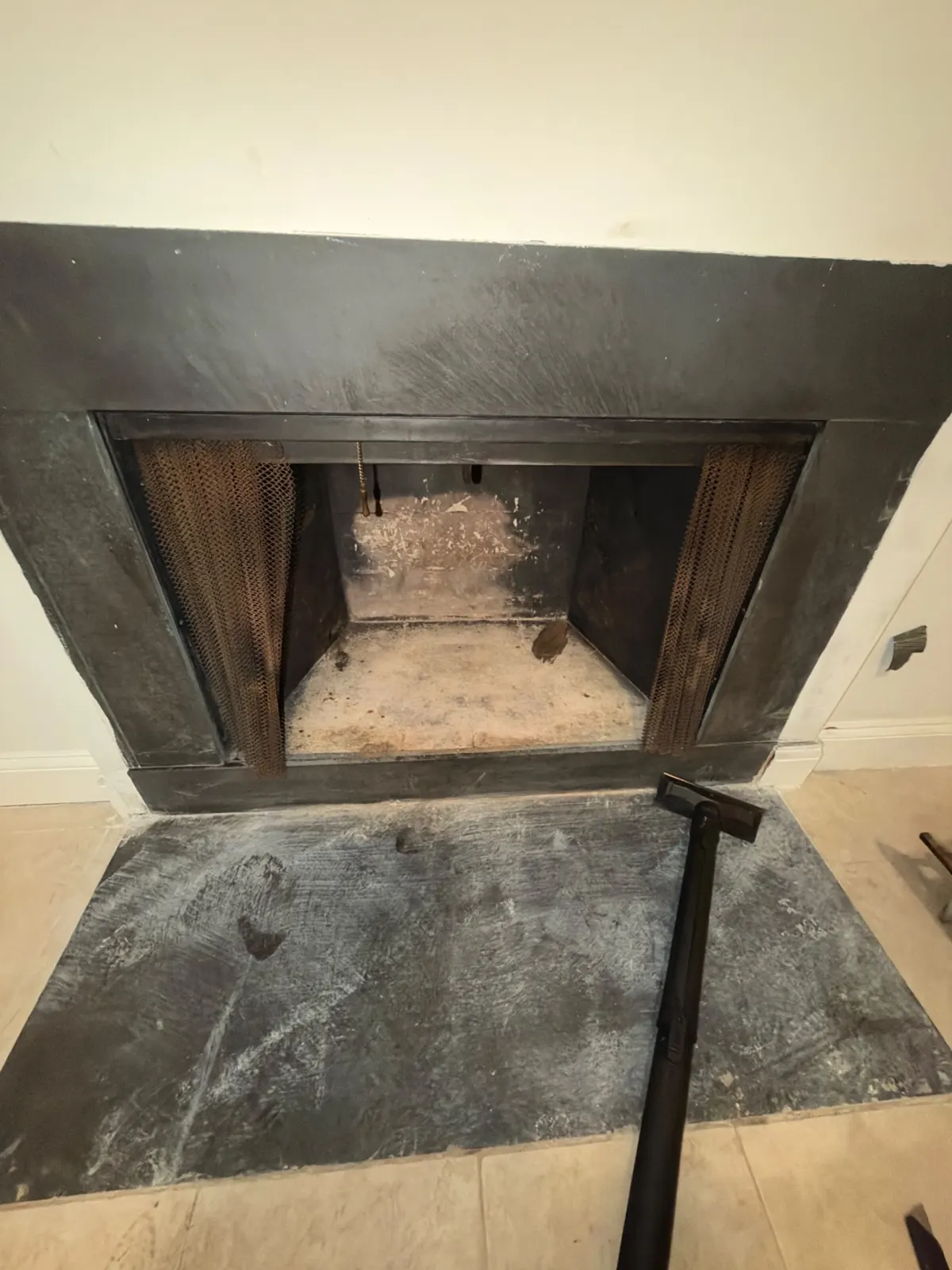
A full sweep of the flue, firebox and smoke chamber — creosote gone, draft restored, and a written condition report before we leave.
Learn more →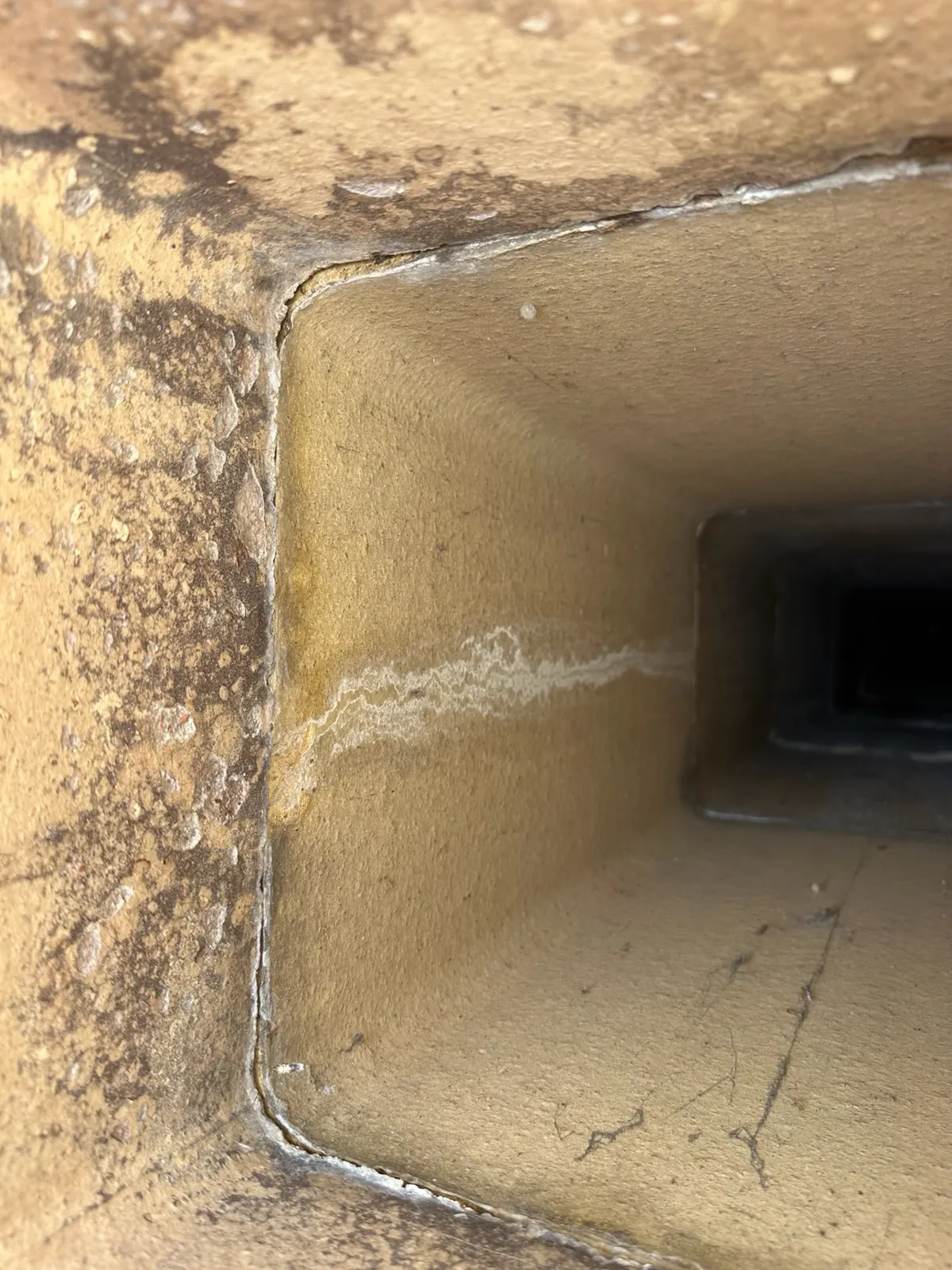
Level 1 and Level 2 chimney inspections with camera scanning, a photo report and straight answers — for annual checks, home sales and after a chimney fire.
Learn more →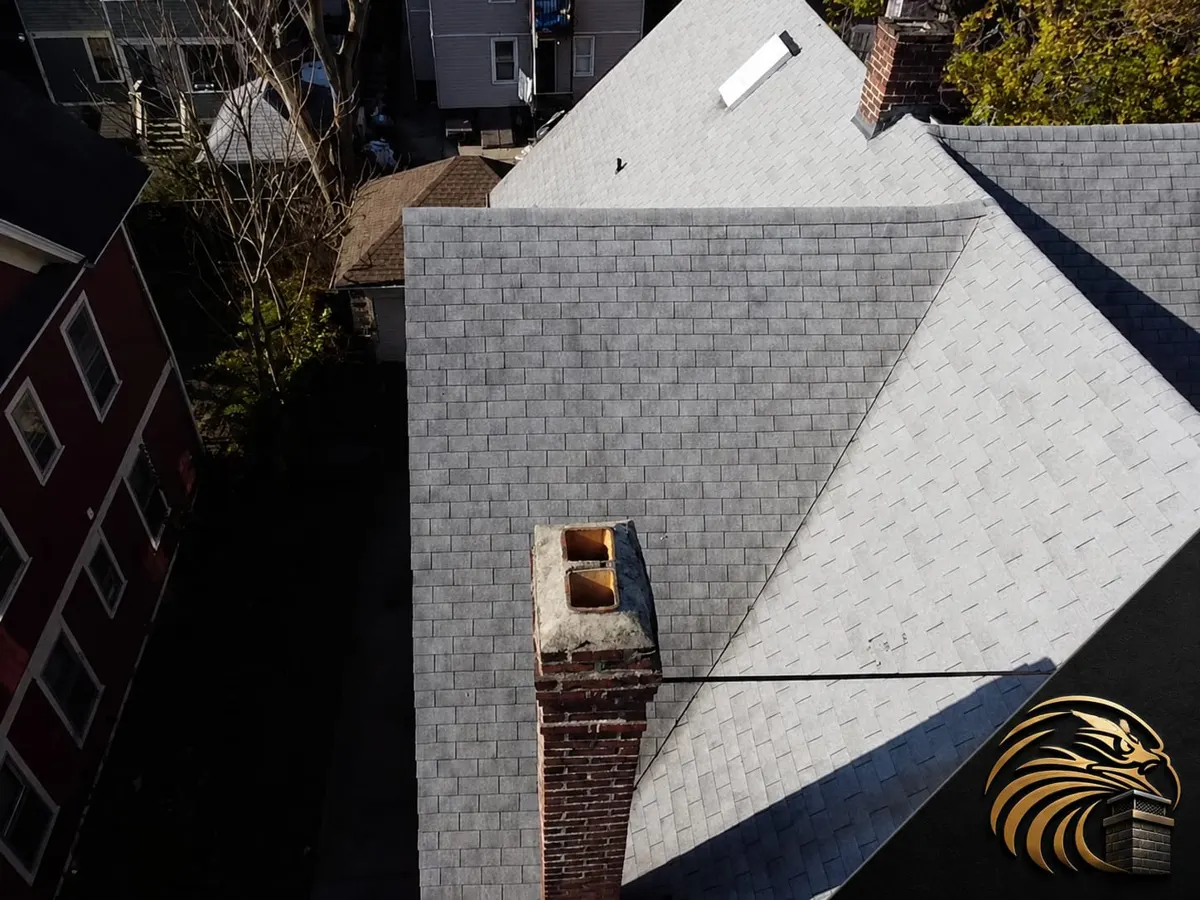
The annual inspection for chimneys in regular service: every accessible part checked, condition documented, safety confirmed for another season.
Learn more →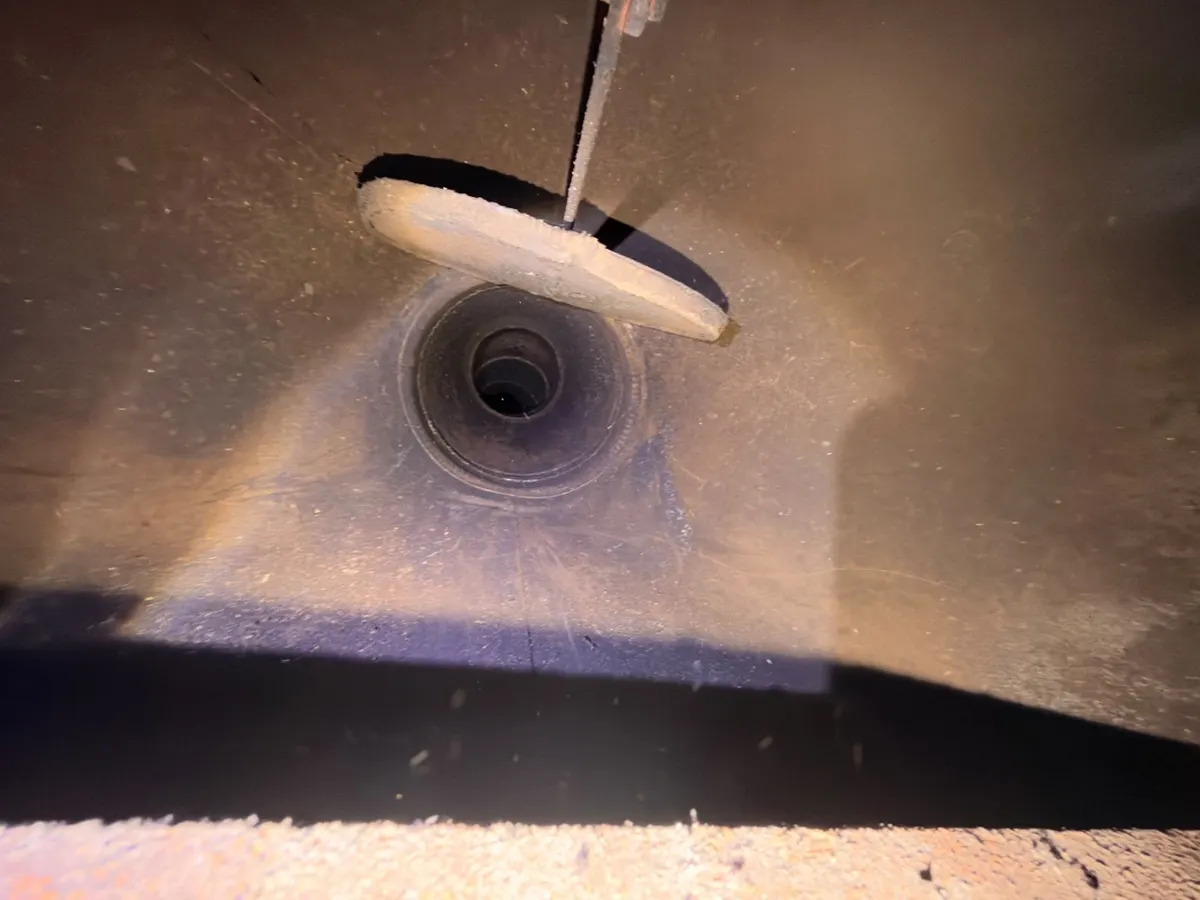
Camera inspection of the entire flue, plus attics, crawl spaces and concealed areas — the inspection for home sales, chimney fires and appliance changes.
Learn more →